skip to main content

Global Stewards Logo - Environmental Tips and Sustainable Solutions

environmental tips and sustainable solutions for a healthy planet

Bookmark and Share Print-Printer Friendly Email This Page Link To a Friend
Useful Links:

Find us on Facebook!

Sign our petition to save the Internet! SaveTheInternet.com

Current Environmental Issues and News


Back to Top

Air


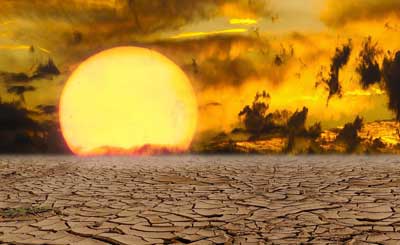
Climate Change


Greenhouse Gases Have Already
Reached Dangerous Tipping Point

The total "long-term" carbon dioxide equivalent of greenhouse gases in the atmosphere has already reached 455 parts per million. (Intergovernmental Panel on Climate Change Report) This level is considered a tipping point.

"The amount of greenhouse gas in the atmosphere is already above the threshold that can potentially cause dangerous climate change. We are already at risk...It's not next year or next decade, it's now." (Tim Flannery, climate change expert) (1), (2).

Scientist Chris Field from the IPCC says the current trajectory of climate change is now much worse than the IPCC had originally projected in part due to China and India's increasing reliance on coal power.

The research shows carbon emissions have grown sharply since 2000, despite growing concerns about climate change. During the 1990s, carbon emissions grew by less than 1% per year. Since 2000, emissions have grown at a rate of 3.5% per year. No part of the world had a decline in emissions from 2000 to 2008.

Earlier this month, Field told the American Association for the Advancement of Science:

"We are basically looking now at a future climate beyond anything we've considered seriously in climate model situations." (1)

Report from the UN Office for the Coordination of Humanitarian Affairs (OCHA):
Climate disasters are on the rise. Around 70 percent of disasters are now climate related – up from around 50 percent from two decades ago. 

These disasters take a heavier human toll and come with a higher price tag.  In the last decade, 2.4 billion people were affected by climate related disasters, compared to 1.7 billion in the previous decade. The cost of responding to disasters has risen tenfold between 1992 and 2008.

Destructive sudden heavy rains, intense tropical storms, repeated flooding and droughts are likely to increase, as will the vulnerability of local communities in the absence of strong concerted action. 

(1) (learn more at OCHA)


Unless we can reduce the amount of carbon dioxide in the atmosphere to 350 parts per million, we will cause huge and irreversible damage to the earth. (350.org)

Global Warming

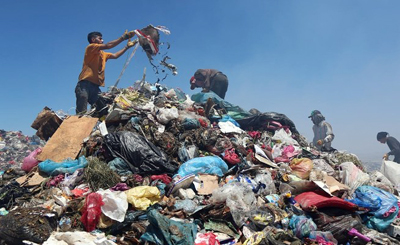
Air Pollution

Air Pollution


Ozone Depletion

Ozone Depletion


Back to Top

Water


Fresh Water Shortages and Water Pollution

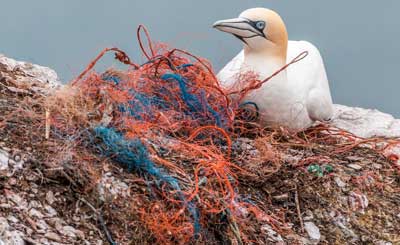
Water Pollution


Ocean and Coastal Threats

Overfishing


Shrinking Wetlands

Wetlands

Back to Top

Land


Genetic Engineering

Genetic Engineering


Forest Destruction/Deforestation

Deforestation


Food Supply Monopoly

Food Supply Monopoly

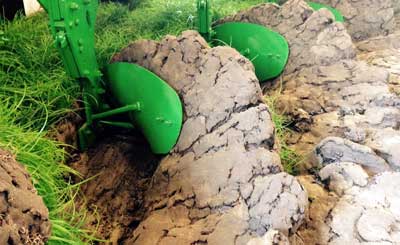
Desertification

Desertification

Back to Top

Air, Water & Land


Toxic Chemicals

Toxic Chemicals

Nuclear Weapons and Nuclear Power

Nuclear War

Back to Top

Impact on Humans


World Hunger - Growing Food Crisis

World Hunger


Hormone/Endocrine Disruptors

Endocrine Disruptors


Back to Top

Impact on Animals


Endangered Species and Biodiversity Loss

Endangered Species

Animal Cruelty

Animal Cruelty

Back to Top

Overall


State of the World

Overall State of the World

World Population Issues

Human Population Chart


Back to Top

Current Environmental News


The world is producing the wrong kind of food, by a process that leaves millions of people landless, homeless, cashless, and unable to feed themselves. Anita Roddick, Take It Personally, How to Make Conscious Choices to Change the World

Lunarpages Web Hosting
This is a Public Domain Page