Home > All Green Living > Sustainable Clothing Hub
Sustainable Clothing Hub
Resources for Building a Greener Wardrobe
Updated: March 22, 2024

SECTIONS: shop by brand, shop by fabric, green clothing care, sustainable textile trends, eco fashion news
Shop by Brand: Eco Fashion Brand Directories
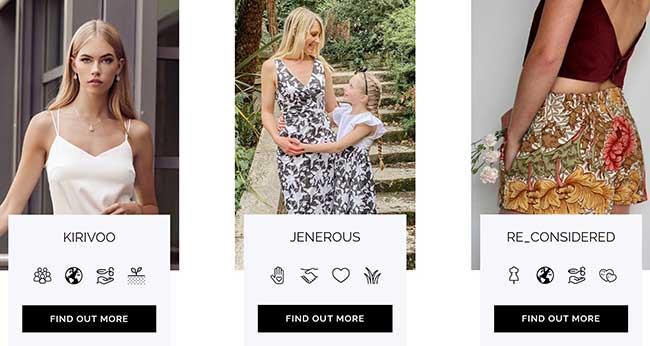
If you are looking for eco-friendly clothing brands, there are several directories that can help you find them. Here are some of the most popular ones:
Shop by Fabric: Sustainable Fabrics

Sustainable fabrics are an important part of eco-friendly clothing. Here are some of the most popular sustainable fabrics (including reused fabric and clothes):
- Organic Cotton: cotton grown without the use of herbicides or pesticides and with significantly less water compared to conventional cotton. Water use is still high compared to other sustainable fabrics though (and carbon emissions are also higher). It still uses a substantial amount of water to grow compared to other fabrics like bamboo, hemp or Tencel. (SHOP BY FABRIC)
- Organic Bamboo Lyocell: a soft, breathable, and durable fabric. It is a rapidly renewable resource that can grow up to a meter per day, requires no pesticides and little water to grow, and produces more oxygen and absorbs more carbon dioxide compared to equivalent trees. Bamboo Lyocell is made in a closed-loop system (chemicals and water used in the process are recycled and reused) and uses non-toxic solvents. (SHOP BY FABRIC)
- Hemp: durable, low carbon, biodegradable fibers that require no pesticides and minimal water to grow. The hemp plant improves soil health by replenishing vital nutrients while its long roots help to prevent erosion and retain topsoil. (SHOP BY FABRIC)
- Lyocell (Tencel): this 100% biodegradable, compostable fiber is produced from sustainably sourced wood pulp using a closed-loop production process (almost all water and solvents are recycled). (SHOP BY FABRIC)
- Organic Linen: a highly durable, biodegradable and recyclable fabric made from the organically-grown flax plant which requires no pesticides and minimal water to grow. The fiber is absorbent and cool to wear in various climates. (SHOP BY FABRIC)
- Mylo (Mushroom Leather) - a sustainable leather alternative that is biodegradable and uses less water and land than animal leather. It is made from mycelium, the root structure of mushrooms. (SHOP BY FABRIC)
- Cork: carbon-negative accessories used as a leather alternative. (SHOP BY FABRIC)
- Circulose™: is made by re:newcell and created from recycled cotton textiles and fashion waste. It uses less water and chemicals compared to traditional cotton production. Circulose represents a significant advancement in circular fashion, aiming to reduce waste and promote recycling in the industry. (SHOP BY FABRIC)
- Sasawashi: a very durable Japanese fabric made from a blend of washi (Japanese paper) and kumazasa plant fibers. It's natural antibacterial properties reduce the need for frequent washing and thereby saves water. (SHOP BY FABRIC)
- Piñatex - A leather alternative made from pineapple leaf fibers, Piñatex reduces waste and does not require additional land or water to produce. (SHOP BY FABRIC)
Green Clothing Care Tips
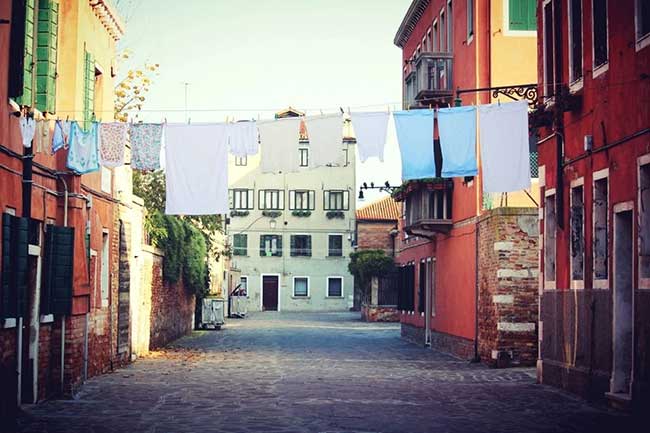
Green clothing care is the practice of caring for our clothes throughout their full life cycle in a way that extends their lives as long as possible. Buying and passing on used clothing is a great way to reduce our resource consumption and carbon footprint. Using natural or eco-friendly methods to clean and care for clothes can reduce the exposure to harsh chemicals, save water and energy, and extend the lifespan of clothes. Here are some green clothing care tips:
- Passing it On: there are numerous ways to resell or give-away clothes: from craigslist or thrift stores to ebay and consignment stores. Different types of give-away or swap shops or online freecycle sites are also growing in number. Here are some great tips from decluttering expert Marie Kondo on the easiest approach for clearing clutter.
- Wet Cleaning, CO2 Cleaning and GreenEarth Cleaning: environmentally-friendly alternatives to dry cleaning. Learn more about wet cleaning benefits.
- Washing Clothes Less Often: washing clothes only when they are dirty or smelly, and not after every wear. This can prevent the clothes from fading, shrinking, or wearing out, and save water and energy. Clothes can be refreshed by airing them out, steaming them, or using natural deodorizers, such as baking soda or vinegar.
- Washing Clothes in Cold Water: washing clothes in cold water instead of hot water. This can prevent the clothes from shrinking, bleeding, or losing shape, and save energy and reduce greenhouse gas emissions. Cold water can be effective for most types of fabrics and stains, especially with a good detergent and pre-treatment.
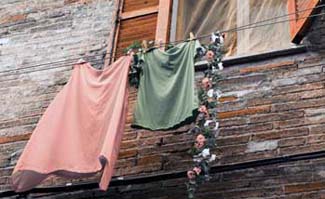
- Drying Clothes Naturally: drying clothes on a clothesline, rack, or hanger instead of using a dryer. This can prevent the clothes from shrinking, wrinkling, or losing elasticity, and save energy and reduce greenhouse gas emissions. Natural drying can also make the clothes smell fresher and last longer.
Sustainable Textile Trends - Certifications, Standards, and Movements
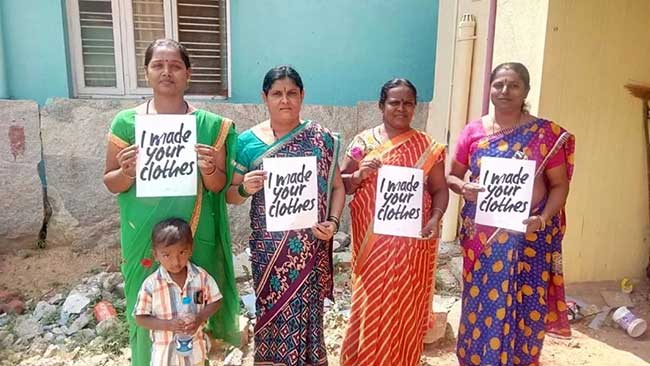
- Slow Fashion: a movement focused on sustainability and ethical practices in the fashion industry, prioritizing quality manufacturing, fair labor rights, natural materials, and longevity of garments. It encourages consumers to buy less but choose well, aiming to reduce waste and environmental impact while fostering a healthier relationship between people and their clothing.
- Wardrobe Capsule: a minimalist approach to personal fashion, where a small, versatile collection of clothing is curated to maximize outfit combinations. Typically consisting of tops, bottoms, dresses, shoes, and accessories, each item is chosen for its ability to coordinate with the others, reflecting a cohesive style and color scheme. This concept encourages thoughtful consumption, reducing clutter and simplifying the process of getting dressed by focusing on quality, timeless pieces that can be mixed and matched to create a variety of looks for different occasions.
- EU Ecolabel: an ecolabel given to textiles (and other product categories) that minimize the use of harmful substances and reduce air and water pollution.
- OEKO-TEX Standard 100: certification process that evaluates and screens for any harmful substances present within processed textiles intended to come into contact with consumers.
- Cascale (formerly Sustainable Apparel Coalition): sustainability leaders in the apparel and footwear industry and creator of the higg index - a suite of tools that enables brands, retailers, and facilities to accurately measure and score a company or product's sustainability performance.
- Fashion Revolution: founded in the wake of the Rana Plaza disaster in 2013. The organization has grown to become the world's largest fashion activism movement - mobilizing citizens, brands and policy makers through research, education and advocacy. Their mission: a global fashion industry that conserves and restores the environment and values people over growth and profit.
- Compassionate Clothing: vegan alternatives to commonly used animal-based fabric and accessories to reduce harm and suffering to farm animals.
- Reusing and Upcycling Fabric: reduces the amount of fabric that ends up in landfills and save the energy and resources that would be needed to make new fabric. Here are some of the ways fabric is reused and upcycled:
Eco Fashion News

Stay up on the latest news about sustainable clothing at:
Choosing sustainable clothing options is an important part of reducing the environmental impact of the fashion industry. By choosing eco-friendly clothing brands and fabrics, we can all do our part to make the world a better place.
MORE